Day 7: Dinosaurs, well checking out Dinosaurs!
Main Page > Cowboys & Indians >
The Boys rose early refreshed from the great night in Jackson, they wolfed down the free breakfast at the Hotel and hit the road! Mike and Bone's objective, checking out old bones, no, not theirs, but really old bones! at Dinosaur National Monument!!
Heading South on US 191


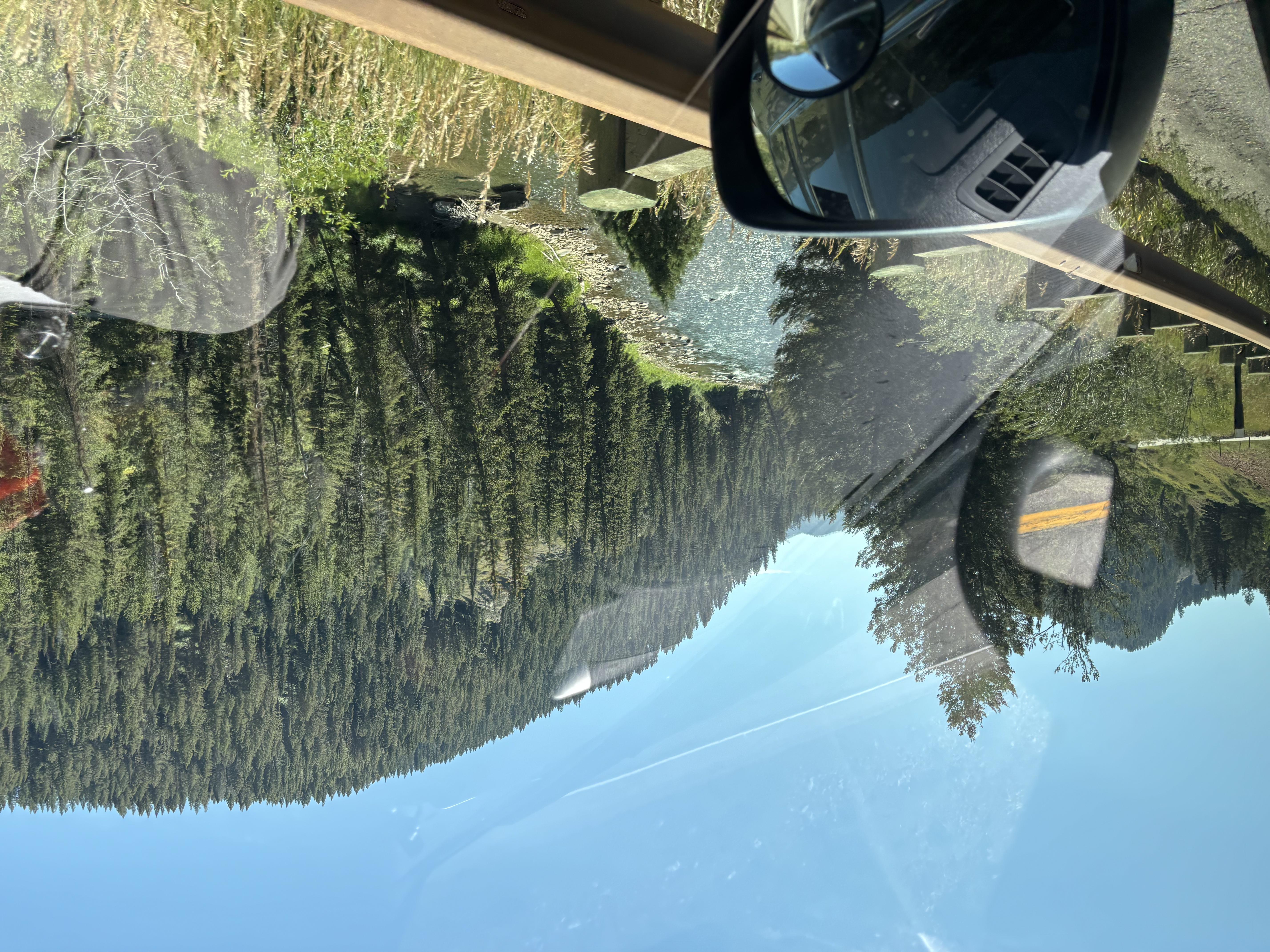
Changes in Latitude, Changes in Environment


The drive down to Dinosaur National Monument is about 5 1/2 hours. The Boys enjoyed the change from the alpine Rocky Mountains, to the sparse desert of the western range. Soon they crossed into an old friend
Utah! The Boys 6th State of the Trip!


Utah! the spiritual home of Heber Jones, one of the Boys Spirit Guide! God bless his old bones, which gave the Boys so many years the guidance to check out this awesome State!
Yippee for the Yampa River!


Utah has so many different terrains and environments that offer so many cool places to check out. Crossing the Yampa River meant the Boys were close however Bone was very surprised to seen Ashley in the Desert!?!
Ashley's National Forest!?!


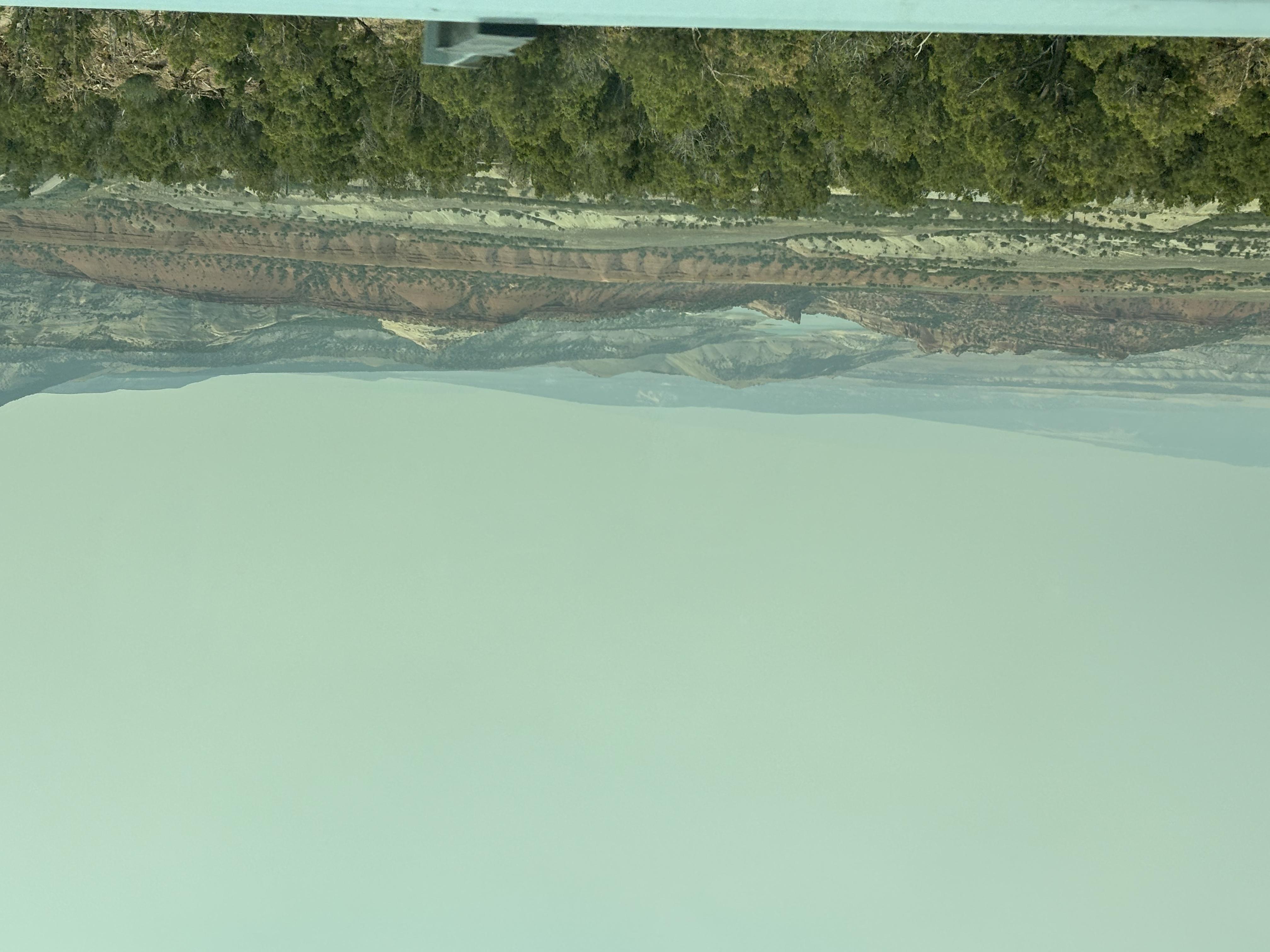

Dinosaur National Monument is in Ashley National Forest which has 1,382,346 acres in Utah and Wyoming, wit vast forests, lakes, and mountains, with elevations ranging from 6,000 to 13,500 feet! A truly amazing national monument. Which wasn't to venal since Mike and Bone entered Vernal!
Non-Vernal Equinox!
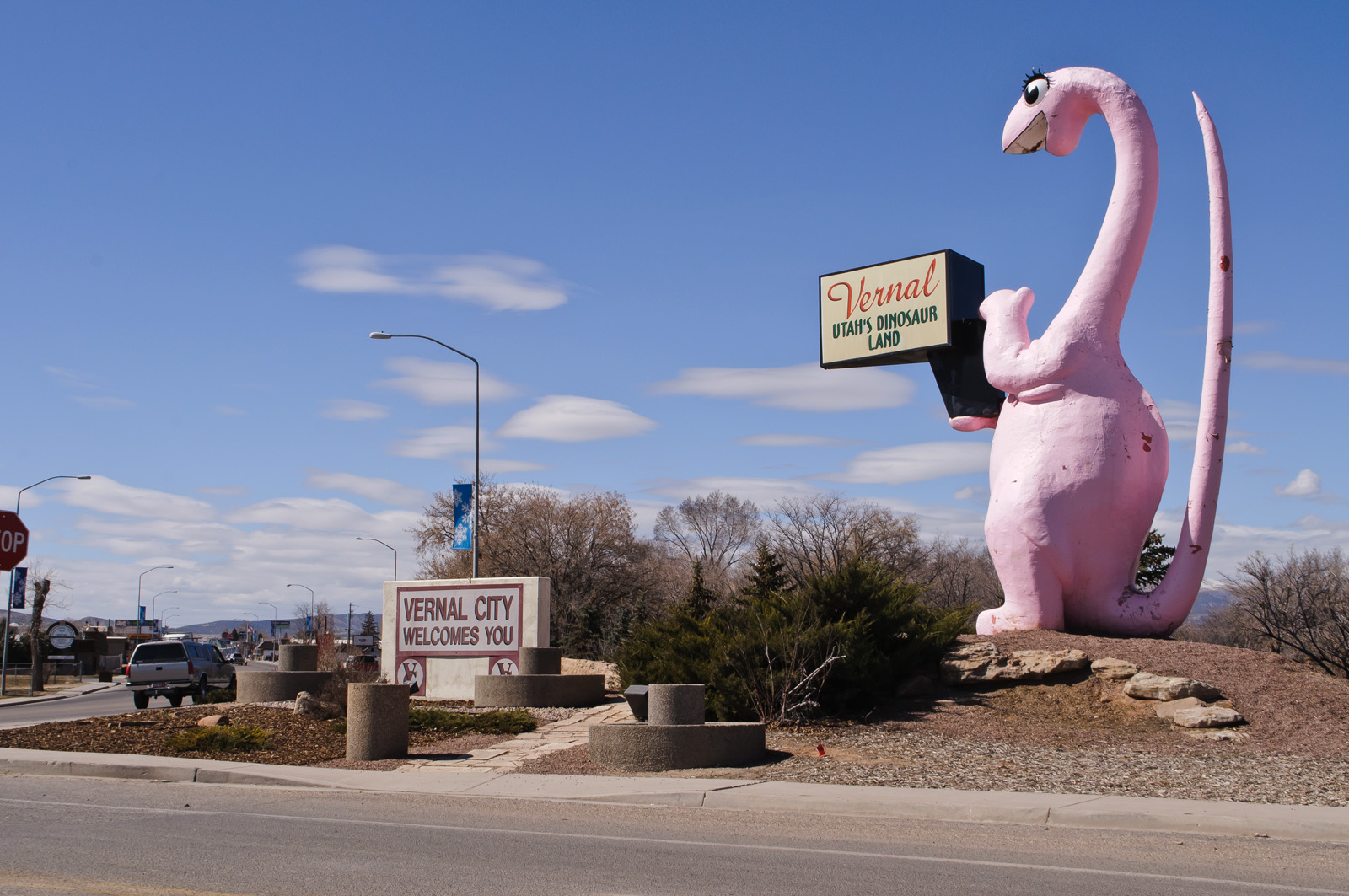
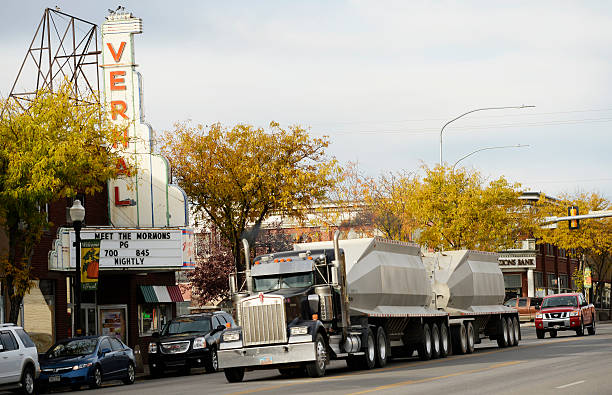
Vernal, Utah, is known as the heart of "Dinosaur land," serves as the gateway to the Dinosaur National Monument and the surrounding attractions, a great base for Mike and Bone to headquarter for the next few days. So the Boys checked into a non-descript Quality Inn (right up their speed) and headed out to see some bones!
Fred and Barney enter Bedrock!!!

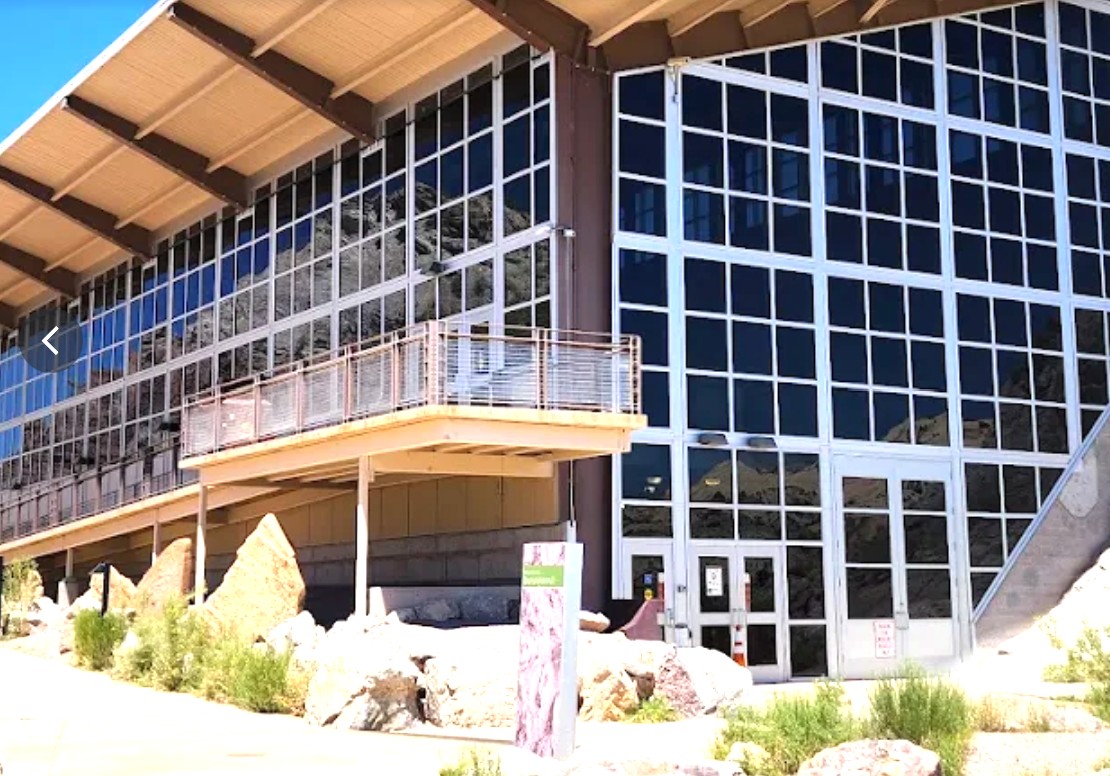
Dinosaur National Monument is an American national monument established in 1915 to protect its famous Dinosaur Quarry, the monument was greatly expanded in 1938 to include its wealth of natural history. The park's wild landscapes, topography, geology, paleontology, and history make it a unique resource for both science and recreation. The park contains over 800 paleontological sites and has fossils of dinosaurs including Allosaurus, Deinonychus, Abydosaurus, and various sauropods. The Abydosaurus consists of a nearly complete skull, the lower jaw, and first four neck vertebrae. Mike and Bone entered the parking lot in a scorching 103 degree afternoon. It looked like there was a good 3/4 of a mile walk up a step hill to the Visitor Center, then the Boys figured they would have to head out into the hot hills to see the bones when a golf cart pulled up and took the Boys up to an extremely comfortable, air conditioned Visitor Center!
A Literal Freaking Wall of Bones!

Dino's have been a thing in this area for well over a hundred years. All the way back to August 1909, when Paleontologist Earl Douglass of the Carnegie Museum discovered eight vertebrae of an Apatosaurus, which became the first dinosaur skeleton discovered and excavated at the new Carnegie Quarry. The area around the quarry was declared a national monument on October 4, 1915. The International Dark-Sky Association designated Dinosaur National Monument an International Dark Sky Park in April 2019. The Visitor Center had built itself around the very walls that "housed" the dino's bones for lo the centuries since they died.
One question the Boys had was "how did they get there?" The rock layer enclosing the fossils is a sandstone and conglomerate bed of alluvial or river bed origin known as the Morrison Formation from the Jurassic Period some 150 million years old. The dinosaurs and other ancient animals were carried by the river system which eventually entombed their remains in Utah.


The pile of sediments were later buried and lithified into solid rock. The layers of rock were later uplifted and tilted to their present angle by the mountain building forces that formed the Uinta Mountains during the Laramide orogeny, which is a geeky way of describing the time period of mountain building in western North America, which started in the Late Cretaceous, 80 to 70 million years ago. Erosion later exposed the layers at the surface to be found by paleontologists.


One of the most striking finds is the one above that shows an entire dino skeleton of an Allosaurus, ancestor of the awe fearing T Rex!


With the searing heat outside, the cool air conditioned Museum wrapped around the rock made for a family friendly way to show your kids about the real "Barney" (not the purple dinosaur!) courtesy of Mister Wilson!


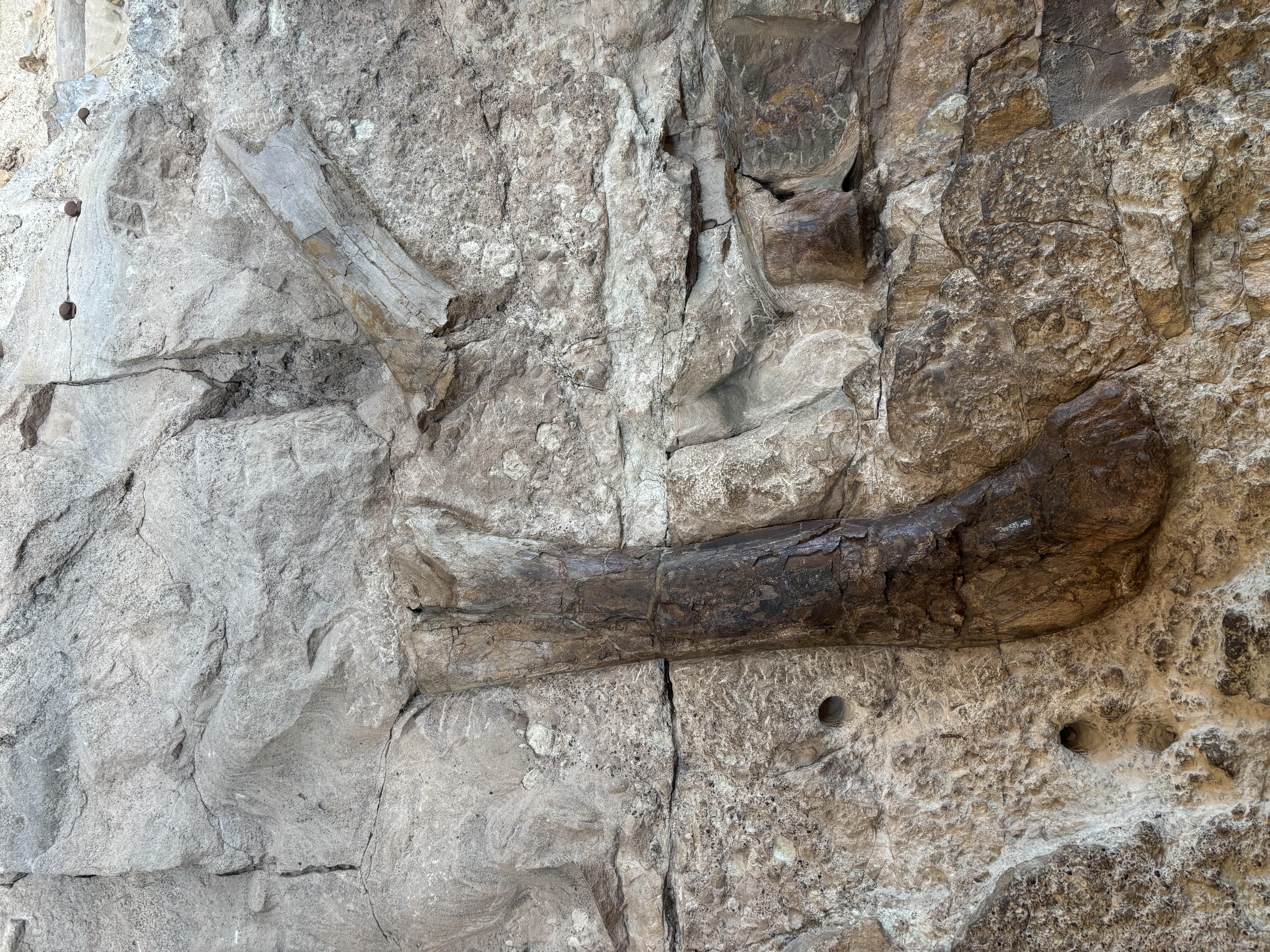

An Allosaurus Head!

It was President Woodrow Wilson who proclaimed the dinosaur beds as the Dinosaur National Monument in 1915. Later, the monument boundaries were expanded in 1938 from the original 80 acres surrounding the dinosaur quarry in Utah, to 210,844 acres (329 sq miles in Utah and Colorado, encompassing the river canyons of the Green and Yampa which covers the current park that the Boys visited. After thoroughly checking out all the very cool exhibits, Mike and Bone headed back into the heat!
From Ancient Bones to Ancient Paintings!

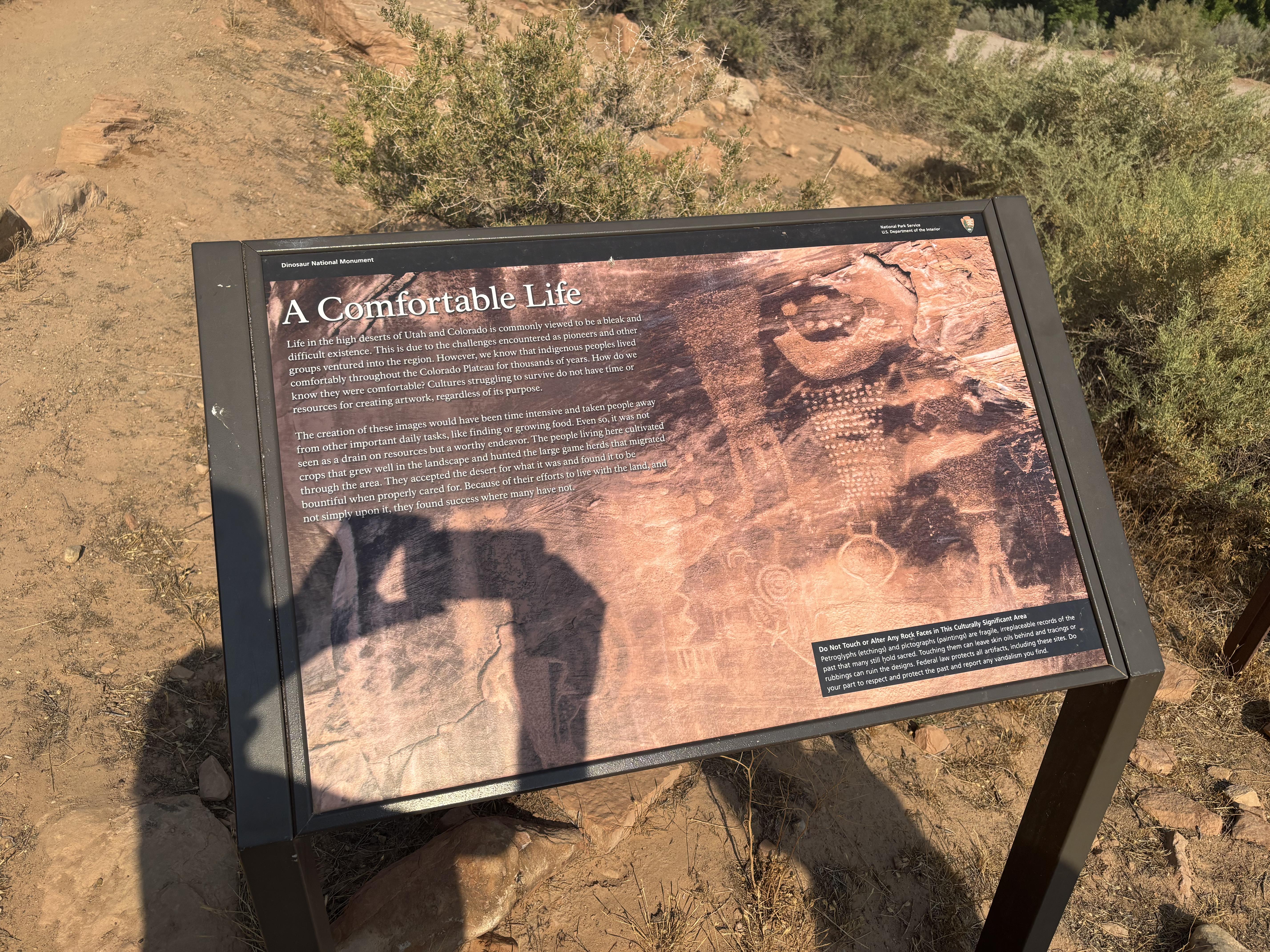

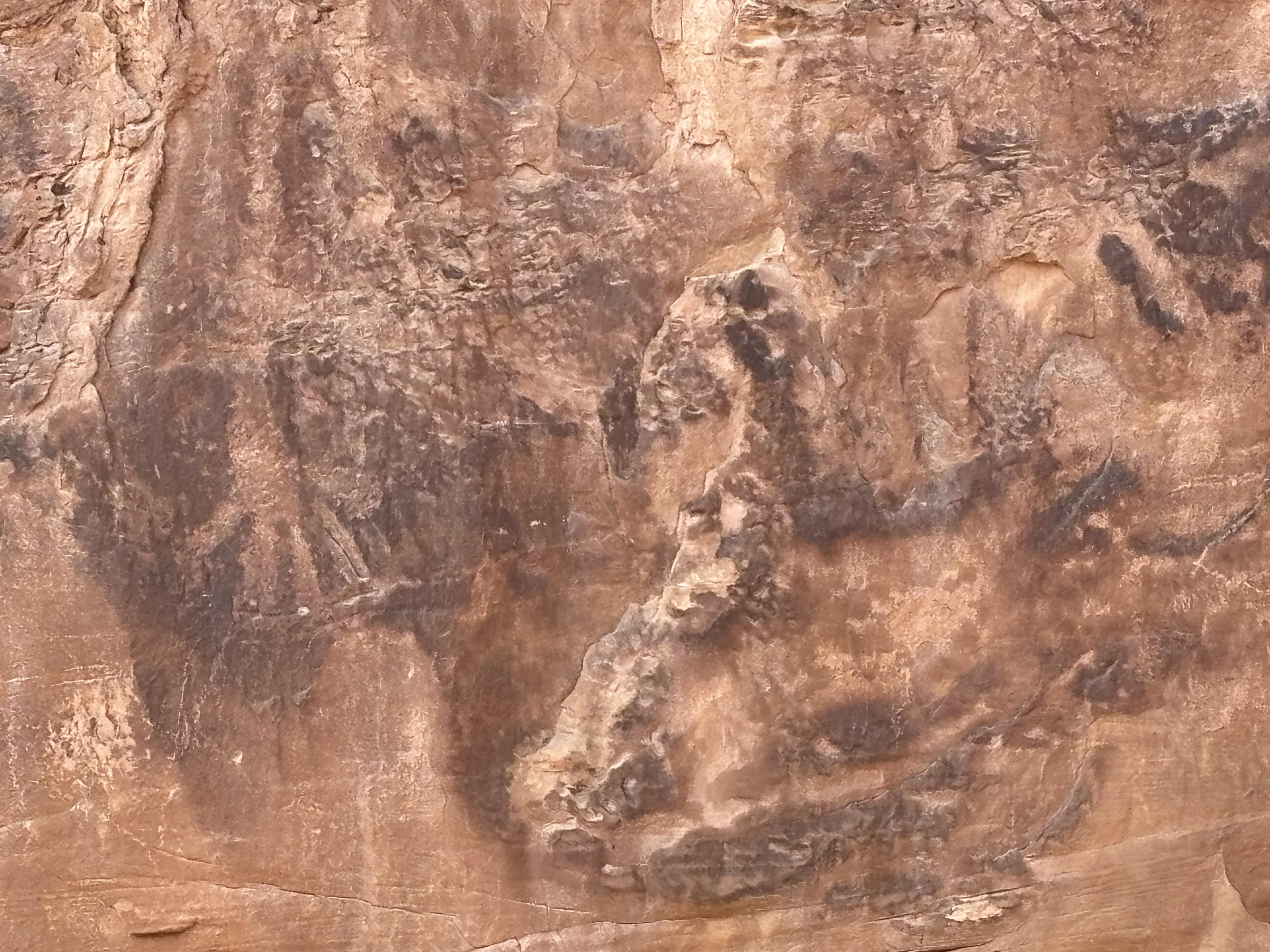
Driving out of the Park, Mike and Bone noticed Indian petroglyphs on one of the rock walls.
There are many petroglyph and pictograph sites within Dinosaur National Monument. Petroglyphs are images made by carving, chipping, drilling, or pecking into a rockface. They are often found etched into dark desert varnish, a natural stain of iron and manganese oxides created by runoff and snowmelt on the sandstone cliffs. Pictographs are paintings on rock created with pigments made from hematite, charcoal, and other color-rich materials. There are several pictograph sites inside Dinosaur National Monument, but they are less common as the paints are more easily weathered away by sunlight, wind, rain, and time. Many designs were originally created using a combination of etchings and paintings, as evidenced by petroglyphs that still show traces of pigment.
From Ancient Bones to Ancient Paintings!


Many of the petroglyph and pictograph sites in Dinosaur National Monument are credited to the Fremont peoples who lived in the area between 300 and 1300 AD. The style and content of Fremont designs vary throughout the region. The “Vernal Classic Style” is dominant in the monument and characterized by humanlike figures that have trapezoidal bodies with broad shoulders that taper down to thin waists and may or may not include arms, legs, fingers, and toes. The figures are adorned with designs that suggest headdresses, earrings, necklaces, shields, and other objects. This style also includes many animal-like figures as well as complex, abstract designs. The animal figures include bighorn sheep, elk, deer, dogs, birds, snakes, lizards, and more abstract animal-like shapes. Purely abstract or geometric designs are common, such as circles, spirals, and various combinations of lines.
Why did the Fremont create these designs and what do they mean? The images may have been related to hunting, clan identification, territorial marking, ceremonial or religious purposes, maps or way finding, record keeping, or purely for leisure and artistic expression. Mike and Bone pondered this for about 5 minutes, or until the heat got to be a little to much!
Next, Mike and Bone chose to check out something a little more modern, a 20th century homestead!
A Female Homesteader?!?


The Boys wanted to check out the Josie Bassett Morris Ranch is a historic district on the National Register of Historic Places. XX It is where Josie Bassett Morris, a small-time rancher and occasional accused stock thief, lived until 1963.
The Outlaw Josie Basset Morris?!?

While not the Outlaw Josey Wales (Clint Eastwood) Josie lived on a Ranch just over the Border in Colorado established by her Bassett family in the 1870s. Josie grew up there, and through her family came to know a number of outlaws, including Butch Cassidy, who frequented the area. Morris established her own homestead on Cub Creek in Utah in 1914 with help from friends Fred McKnight and the Chew family.
Josie's colorful story started when The Bassett family moved west from Arkansas around 1877 to establish a homestead in the west, taking their three-year-old daughter Josie. Comparatively wealthy and educated for homesteaders, they established a ranch in the Brown's Park region near the Colorado-Wyoming border. Josie married Jim McKnight at the age of 19 in 1893. In 1914 Josie and husband M.B. (Ben) Morris, without much money, established a homestead claim at Cub Creek near Split Mountain, 40 miles from the family ranch. Her son Crawford and his wife lived there for a time, and grandchildren visited.
No sweeping with Dirt Floors!


Josie was a colorful local character, she married five times and divorcing four of her husbands and living in the cabin for over fifty years until she fell on ice and broke her hip in 1963. She died the following year at the age of 90. She was tried and acquitted for cattle rustling in her 60s and made brandy and wine from local fruit and berries during Prohibition!
After learning about that colorful character Josie, Mike and Bone checked out the ranch house, which started as a low square log cabin with a dirt floor, the kitchen was added later. The house is surrounded by dependent structures, such as a chicken house, outhouse, root cellar, sheds and a small barn. A bridge provided access to the root cellar, located across the creek.
The property was not a nearly interesting as Josie and with the looooong drive earlier and the fading sun, it was time to head back to Vernal for some victuals!
Driving the Eastern Utah Mountains back to Vernal!

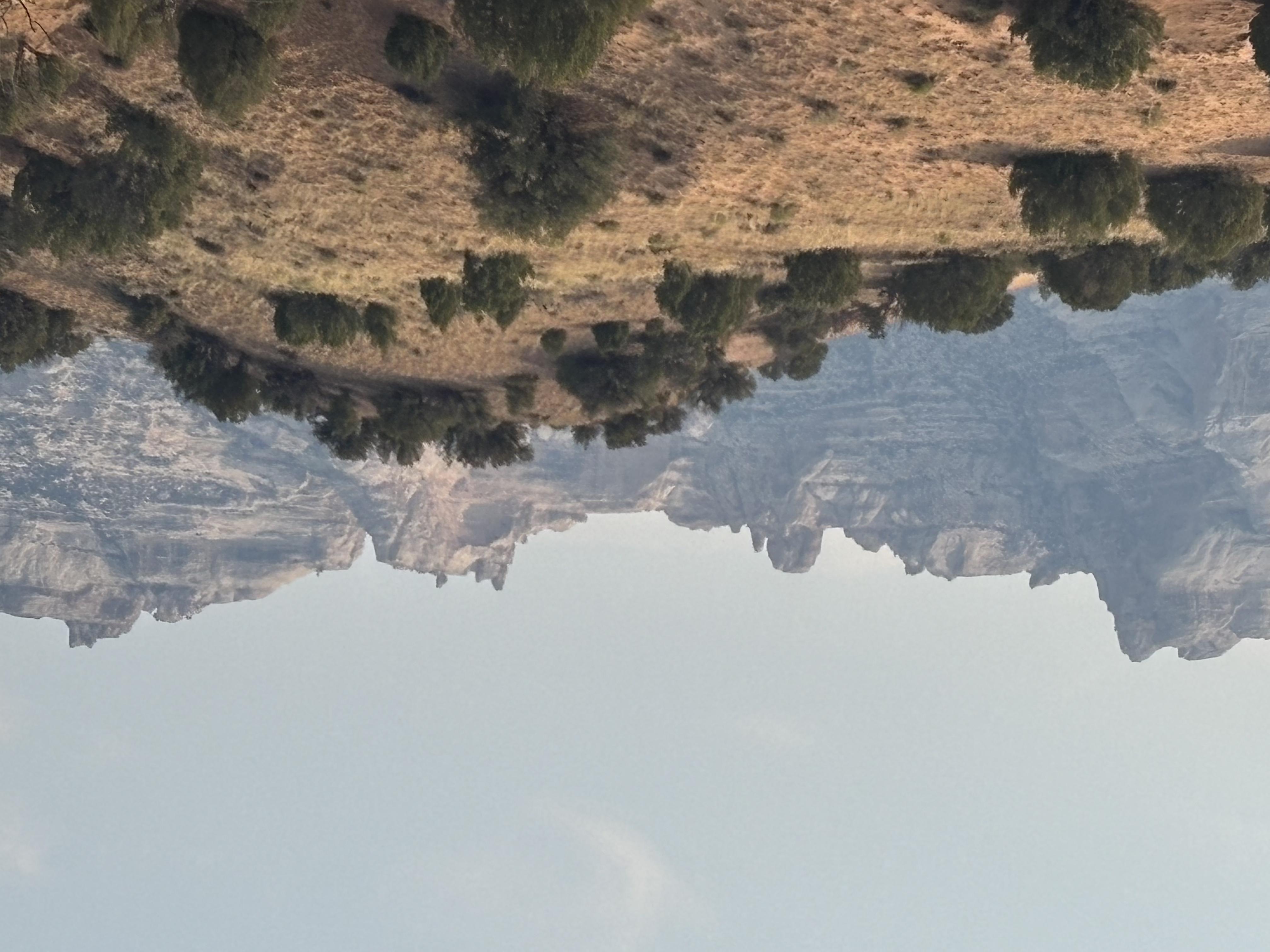


"So this is Where the Antelope Play!!!"


Brewing Trouble In Vernal!
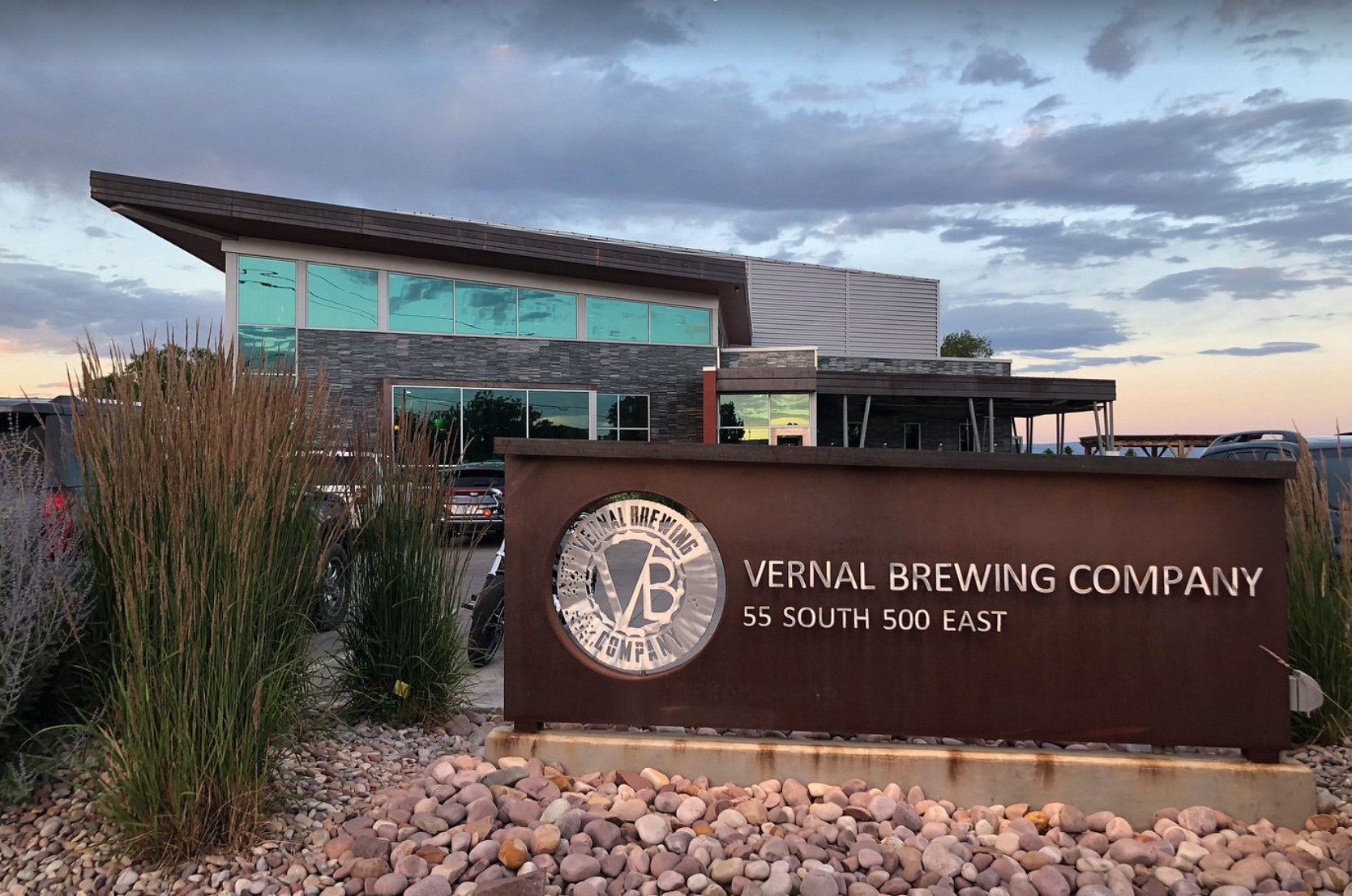
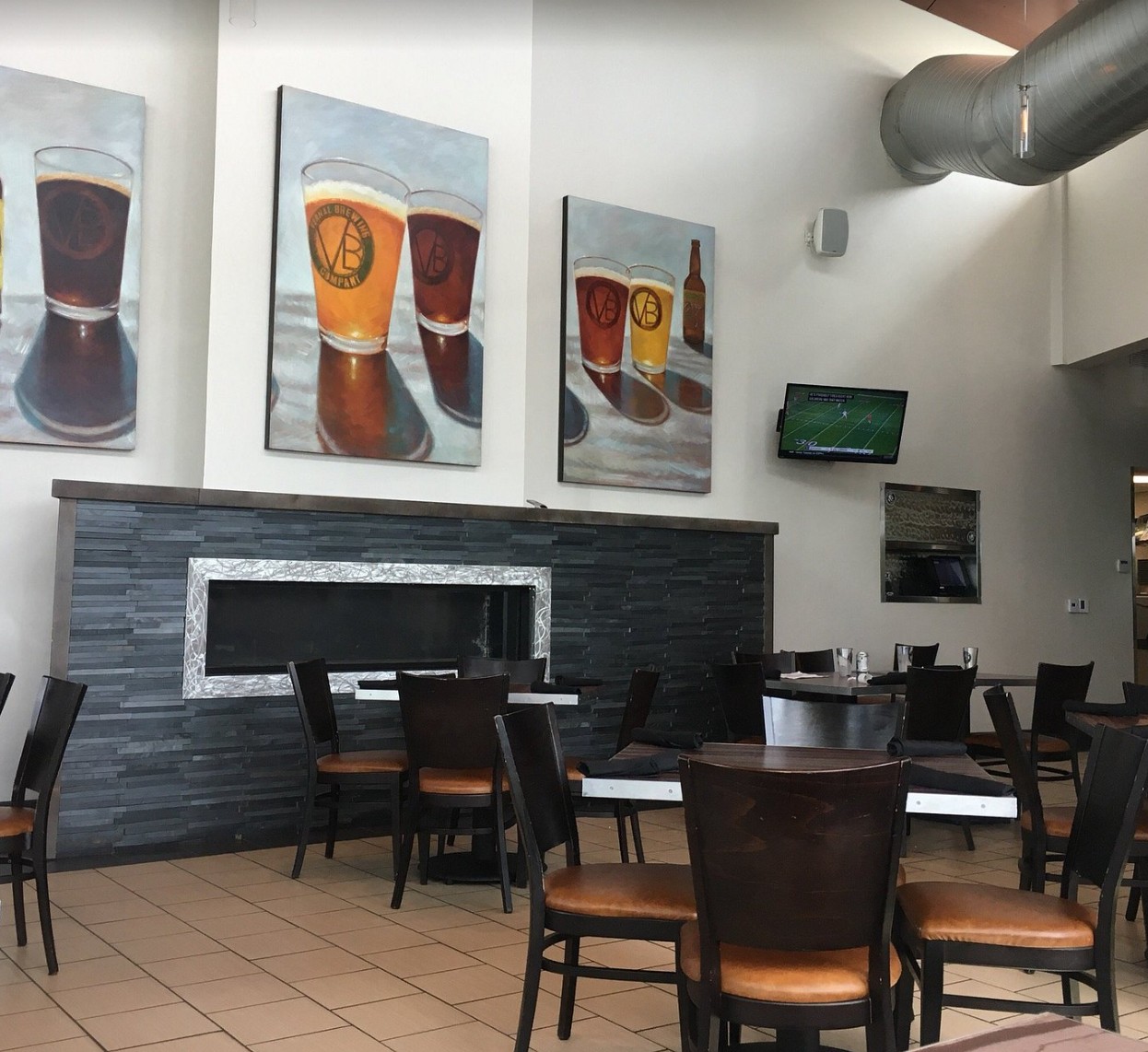
By the time the Boys got back to Vernal, they were ready for a burger and a beer, and a local brew pub met the bill. Turning down an offer to sit outside in the searing heat, Mike and Bone tried the local beers and burger, which hit the spot. Sated, the Boys headed to sleep off a long day!